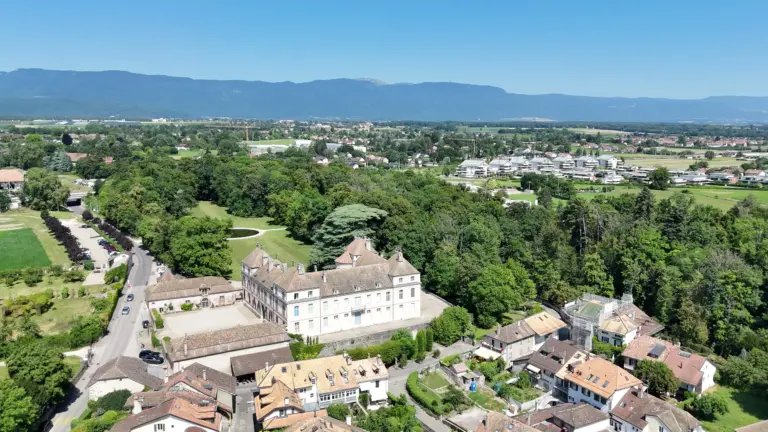

Selling a property in Terre-Sainte involves far more than simply posting a listing online. Between the attractive tax regime of the Nyon district, the immediate proximity of Geneva and steady demand across the municipalities of Coppet, Founex, Commugny, Mies, Tannay and Chavannes-des-Bois, this part of the Lake Geneva region has particular characteristics you need to master in order to sell at the best price. Here is a complete, step-by-step guide to a successful sale.
Why Terre-Sainte is a unique property market
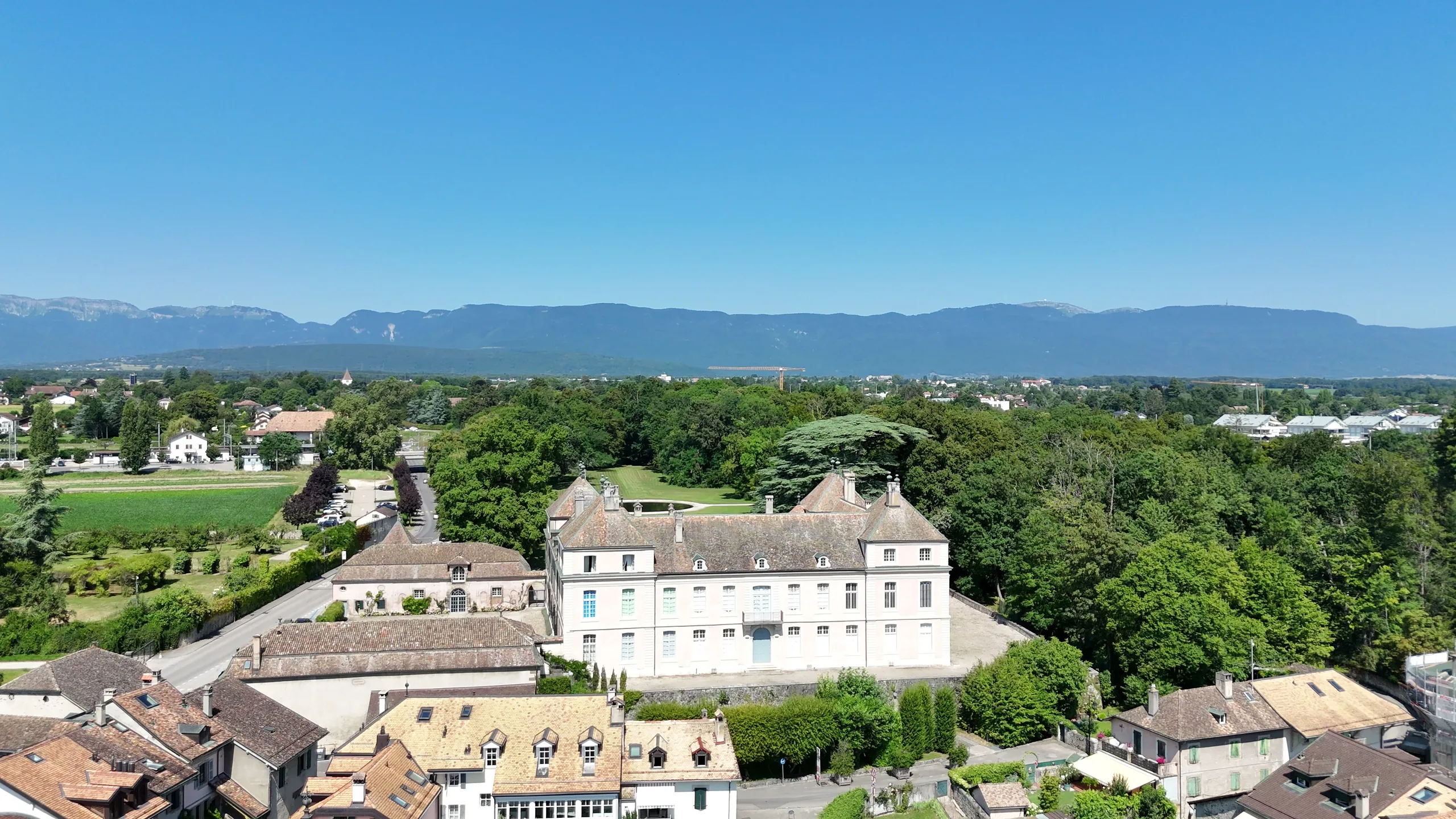
Terre-Sainte enjoys a privileged location on the right bank of Lake Geneva, close to the Franco-Swiss border. Several factors make this market especially appealing to buyers, and strategic for sellers.
- Proximity to Geneva: The Coppet railway station connects to Geneva-Cornavin in 10 minutes. This is a decisive argument for professionals working in Geneva or for international organisations.
- The Nyon district tax regime: The canton of Vaud and the municipalities of Terre-Sainte offer a more attractive tax regime than the canton of Geneva, drawing many households in search of a better balance between quality of life and tax burden.
- An exceptional living environment: Vineyards, lake views, human-scale villages, quality schools (including La Châtaigneraie in Founex) and sailing clubs: Terre-Sainte ticks every box for families and expatriates.
- Limited supply: Buildable land is becoming scarce in the most sought-after municipalities (Founex, Coppet, Tannay), which keeps prices on an upward trend.
2026 TRENDS IN TERRE-SAINTE
The market shows a slight correction of -2 to -3% over 12 months in condominium properties, with stable prices for detached houses. Differences between municipalities remain significant: Mies and Coppet retain a premium of 10 to 15% over Chavannes-des-Bois or Commugny. For your own property, only an on-site assessment can establish its true value: two identical 4.5-room flats can differ by several hundred thousand francs depending on the view, the floor, the orientation or the condominium.
The key steps to selling your property
A property sale in Switzerland follows a structured process. Here are the main stages in chronological order:
- Valuing the property: Establishing the true market value using recognised methods (hedonic, comparative, intrinsic). This is the foundation of any sales strategy.
- Preparing the file: Gathering the documents: Land Registry extract, plans, condominium charges statement, energy certificate (CECB) and recent photographs.
- Home staging and professional photography: Depersonalise, tidy and showcase. The first images online determine whether a prospective buyer will pick up the phone.
- Marketing: Distribution across the portals (ImmoScout24, Homegate, RealAdvisor), the network of estate agents, and possibly off-market for exceptional properties.
- Viewings and buyer feedback: Organising targeted viewings, collecting feedback and adjusting the strategy where necessary.
- Negotiation and offer: Analysing offers and negotiating the terms (price, move-in date, conditions precedent).
- Signing with the notary: Authenticated deed of sale, transfer of ownership at the Land Registry and handover of the keys.
Setting the right asking price
Price is the number one lever in your sale. A correctly valued property sells faster and often at a better price than one that is overpriced and then sold off cheaply after months on the market.
In Terre-Sainte, I use three complementary approaches to value a property:
- The hedonic method: Based on recent comparable transactions in the area. This is the reference used by banks when granting mortgage loans.
- The comparative method: An analysis of properties currently for sale within a defined area, adjusted according to their features (floor, view, condition, parking).
- The intrinsic method: Land value plus the cost of rebuilding from new, less depreciation. Particularly useful for detached houses.
WORTH REMEMBERING
A property overpriced by 10 to 15% stays on the market, on average, twice as long. Worse still: buyers and agents eventually come to see it as a property “that won’t sell”, which makes later negotiations more difficult.
Preparing your property for viewings
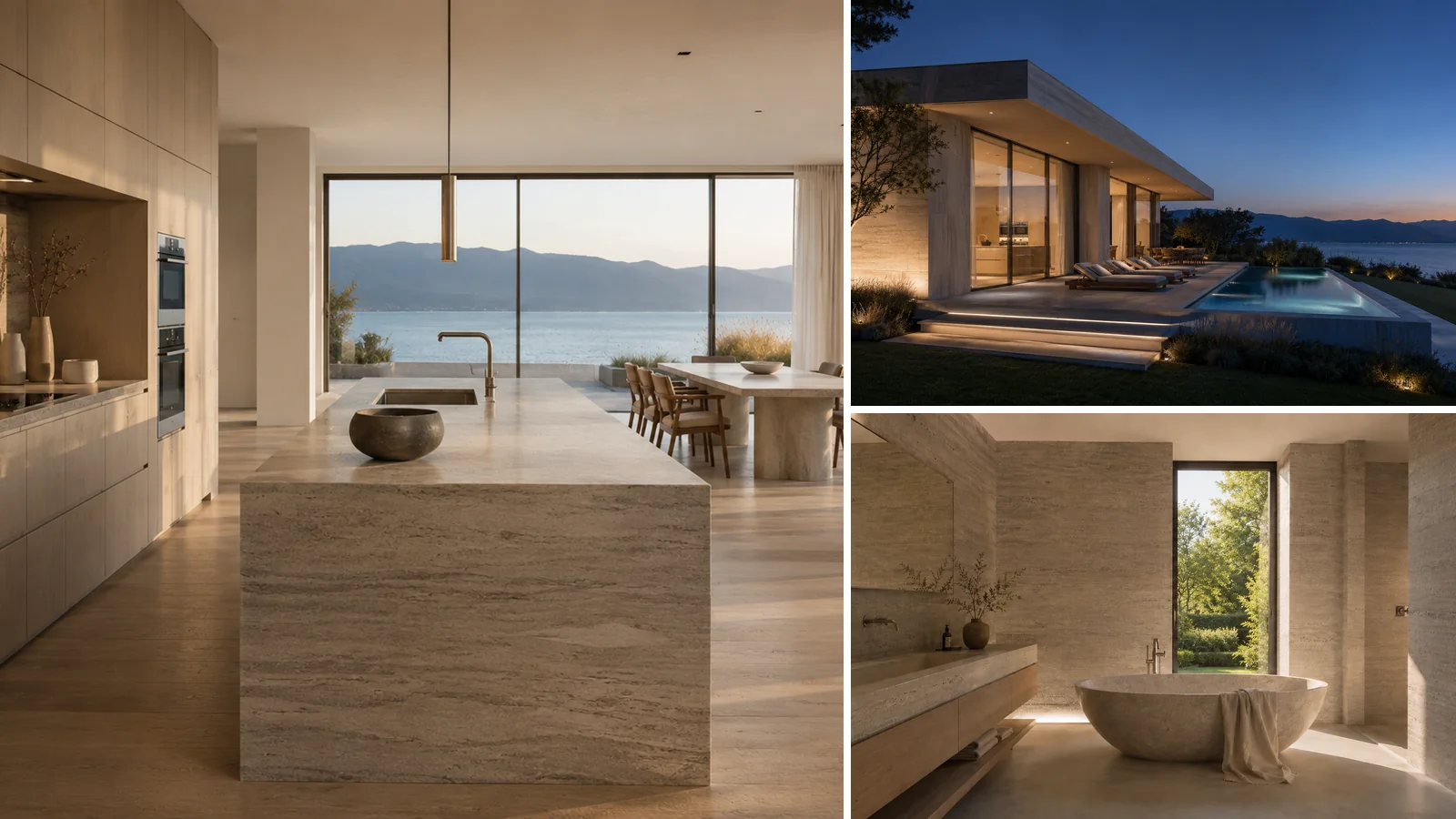
First impressions count enormously. A few simple steps can make the difference between a quick offer and weeks of waiting.
- Depersonalise the spaces: Remove family photos, collections and overly personal items. The buyer needs to be able to picture their own future home there.
- Fix the small flaws: A squeaky handle, a blackened bathroom seal, flaking paint: these details send a negative signal out of all proportion to the cost of putting them right.
- Make the most of the light: Open the shutters, switch on the lights, clear the windows. A bright property looks larger and more welcoming.
- Tidy and air the rooms: It may seem obvious, but it is often overlooked. A property that smells clean and fresh inspires confidence.
- Professional photographs: Quality photographs, taken in natural light with a wide-angle lens, generate up to three times as many clicks on the property portals.
The estate agent’s role in the sale
Some owners hesitate to appoint an estate agent, thinking they will save on the commission. This is often a false economy. Here is what an experienced agent brings in concrete terms:
- A reliable, documented valuation: Not a vague range, but a detailed report with comparables, cross-checked methods and a recommended price.
- A network of qualified buyers: A locally established agent has a portfolio of active contacts, including for off-market sales (discreet, with no public listing).
- Professional negotiation: Managing offers, counter-offers and the emotions of both parties. This is often where the difference between a good price and an average one is decided.
- Legal and administrative support: Checking the documents, liaising with the notary, handling the conditions precedent and following the process through to the transfer at the Land Registry.
- Time saved: Viewings, follow-ups, qualifying buyers, tracking mortgage applications: the agent takes on the entire operational workload.
GOOD TO KNOW
As a USPI-qualified estate agent based in Coppet, I know the streets, the condominiums and the neighbourhood dynamics of Terre-Sainte in detail. This hyperlocal knowledge makes all the difference when it comes to positioning your property and negotiating with buyers.
Timescales and costs to anticipate
The timeline depends entirely on your availability and the strategy chosen. In practice:
- When my clients are responsive, everything can be set in motion within a few days: valuation, file, photographs and immediate marketing.
- The first viewings can take place within the same week, sometimes even before the public listing goes live, through my network of qualified buyers.
- Signing with the notary takes place as soon as an agreement is reached with a buyer whose financing has been confirmed: sometimes a few weeks, sometimes longer depending on the buyer’s profile.
- Conversely, certain situations (inheritance, separation, a complex condominium, prior enhancement work) call for more preparation upstream. This is a strategic choice, not a delay you have to put up with.
There is no standard timescale: each mandate is tailored to your situation. My commitment is to be responsive when you are, without haste and without artificial urgency.
Costs for the seller to budget for
- Property gains tax: In the canton of Vaud, this tax decreases according to how long you have owned the property: 30% if you resell within the first year, then the rate falls each year down to a floor of 7% after 24 years of ownership. Worth knowing: the years during which you occupied the property yourself count double in this calculation, provided they can be substantiated.
- Brokerage commission: Generally between 2% and 3% of the sale price, depending on the type of mandate and the services included.
- Notary fees and transfer duty: in the canton of Vaud, these are in principle borne by the buyer (transfer duty of around 3.3%, plus fees and Land Registry entries). The allocation can nonetheless be negotiated between the parties in certain transactions.
- Early mortgage repayment: If you redeem your loan before its term, the bank may charge an indemnity. Check this with your institution.
PROPERTY GAINS TAX: CANTON OF VAUD
The tax is calculated on the gain (sale price less purchase price and value-adding investments). The rate decreases with the length of ownership: it reaches 30% for a resale within the year and falls progressively to a floor of 7% after 24 years of ownership. Factor this calculation in before setting the net price you wish to achieve.
Ready to sell your property in Terre-Sainte?
Every property is unique, and so is every situation. Whether you are selling a flat in Founex, a house in Commugny or an unusual property in Coppet, I offer an initial meeting to understand your objectives and to define the best sales strategy together.
Let’s talk about your sale project
Call me directly for an initial conversation: no form, no waiting.

Partager cet article
What my clients say
Rated 5 out of 5“Rémi is an agent who listens, patient, responsive and someone we trusted straight away. Our exchanges and his advice were very constructive and made it possible to carry the negotiations quickly through to an agreement.”
Rated 5 out of 5“We are very happy with Rémi's work. He really did everything for us, even after the sale. He helped us with every detail and was always available. Thank you for your professionalism and your commitment.”